
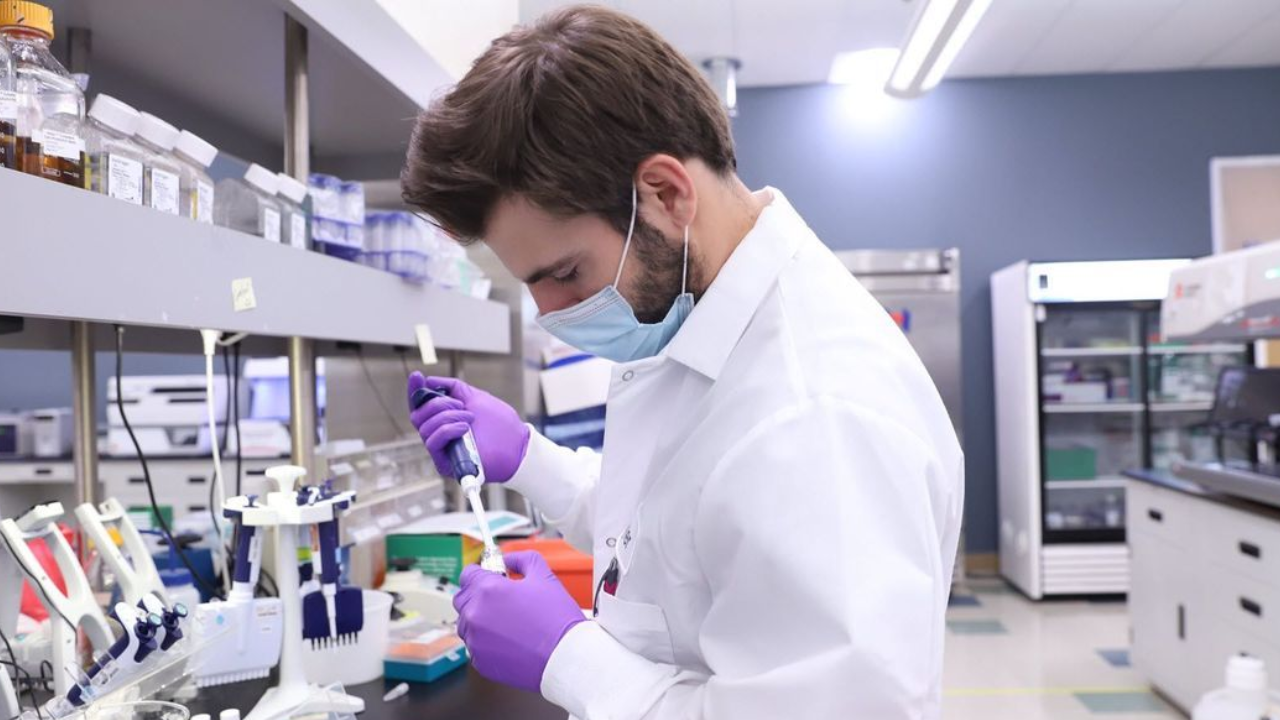
Education has always been a cornerstone of human progress, but in today’s interconnected world, learning is no longer confined to traditional classrooms. Global Teaching Labs (GTL) represents a revolutionary approach to education, breaking geographical barriers and fostering cross-cultural collaboration. These programs bring together students, educators, and institutions from different parts of the world to exchange knowledge, teaching methodologies, and innovative learning techniques.
Unlike conventional study-abroad programs, Global Teaching Labs emphasize hands-on, experiential learning, often focusing on STEM (Science, Technology, Engineering, and Mathematics) disciplines. By immersing participants in diverse educational environments, GTL initiatives cultivate adaptability, creativity, and a deeper understanding of global challenges.
What Are Global Teaching Labs?
Global Teaching Labs are short-term, immersive educational programs where students and educators travel to foreign institutions to teach, collaborate, and engage in project-based learning. These initiatives are typically run by universities, non-profits, or educational organizations with a mission to:
- Enhance global teaching standards by introducing innovative pedagogies.
- Encourage cultural exchange between students and educators.
- Strengthen STEM education through interactive, real-world applications.
Unlike traditional exchange programs, GTL participants take on the role of educators rather than passive learners, designing and delivering lessons in partnership with local schools.
The Structure of Global Teaching Labs
1. University-Led Initiatives
Many top-tier universities have pioneered Global Teaching Labs by sending their undergraduate or graduate students abroad to teach in high schools or universities. These programs usually last 2-6 weeks and involve:
- Curriculum Development – Visiting students create engaging lesson plans tailored to local needs.
- Workshops & Labs – Hands-on experiments, coding sessions, and engineering projects.
- Mentorship – Local students receive guidance from international peers, fostering long-term academic relationships.
2. Corporate & Non-Profit Collaborations
Some GTL programs are supported by tech companies, NGOs, or government bodies aiming to bridge educational gaps in developing regions. These initiatives often provide:
- Teacher Training – Professional development for local educators.
- Digital Learning Tools – Access to online resources, robotics kits, and coding platforms.
- Sustainability Projects – Environmental science and engineering challenges with real-world impact.
3. Hybrid & Virtual Teaching Labs
With advancements in technology, some Global Teaching Labs now operate in hybrid or fully virtual formats. These models allow:
- Remote Teaching – International students conduct live sessions via video conferencing.
- Global Classroom Partnerships – Schools from different countries collaborate on joint projects.
- AI & VR Integration – Immersive simulations for complex scientific concepts.
Why Global Teaching Labs Matter
1. Promoting Cross-Cultural Learning
Education is deeply influenced by cultural context. GTL exposes students to:
- Different Teaching Styles – Comparing pedagogical approaches from various countries.
- Language & Communication Skills – Navigating multilingual classrooms.
- Global Perspectives – Understanding how education varies worldwide.
2. Enhancing STEM Education
Many countries face a shortage of qualified STEM teachers. GTL helps by:
- Making Science Engaging – Interactive experiments over textbook memorization.
- Encouraging Innovation – Students work on robotics, AI, and sustainability projects.
- Inspiring Future Scientists – Early exposure to cutting-edge research.
3. Developing Future Leaders
Participants in GTL programs gain:
- Leadership & Public Speaking – Teaching in a foreign environment builds confidence.
- Problem-Solving Skills – Adapting lessons to different learning levels.
- Networking Opportunities – Connecting with educators and peers globally.
4. Addressing Educational Inequality
Many regions lack access to quality STEM education. GTL initiatives help by:
- Bringing Expertise to Underserved Schools – Students from top universities share knowledge.
- Providing Resources – Donating lab equipment, books, and digital tools.
- Encouraging Local Teacher Development – Long-term mentorship programs.
Challenges & Limitations
While Global Teaching Labs offer immense benefits, they also face obstacles:
1. Short-Term vs. Long-Term Impact
- Most GTL programs last only a few weeks, making it difficult to sustain progress.
- Solution: Follow-up programs, virtual mentorship, and alumni networks can extend engagement.
2. Cultural & Language Barriers
- Miscommunication due to language differences can hinder learning.
- Solution: Pre-departure cultural training and bilingual teaching assistants.
3. Funding & Accessibility
- Not all schools or students can afford to host or participate in GTL.
- Solution: Scholarships, corporate sponsorships, and government grants.
4. Curriculum Alignment Issues
- Teaching methods may not always align with local education systems.
- Solution: Collaboration with local educators to tailor content.
The Future of Global Teaching Labs
As education evolves, Global Teaching Labs are likely to expand in the following ways:
1. AI & Personalized Learning
- Adaptive learning platforms could customize lessons for each student’s needs.
- AI tutors may assist in multilingual classrooms.
2. Expansion Beyond STEM
- Incorporating humanities, arts, and social sciences for a holistic approach.
3. More Government & Institutional Support
- Policies encouraging international teaching exchanges.
- University credits for GTL participation.
4. Sustainable & Scalable Models
- Long-term partnerships between schools worldwide.
- Train-the-trainer programs to empower local educators.
Conclusion
Global Teaching Labs represent a bold step toward a borderless education system, where knowledge flows freely across nations. By combining hands-on learning, cultural exchange, and STEM innovation, these programs prepare students for a globally connected future.
While challenges remain, the potential for scalability, technological integration, and policy support makes GTL a transformative force in education. As more institutions adopt this model, we may see a world where every student, regardless of location, has access to inspirational, interactive, and inclusive learning experiences.